
Blog
Sustainable Back to School Shopping
It’s the time of year when back to school ads have started and supermarkets have dedicated whole aisles to stationery, lunch boxes, and uniforms. It is a costly time of year for parents, but purchasing scads of back to school products also has a huge cost for the environment. In this post, Claire from TeachingPlans.is shares ideas, tips and recommendations for more sustainable back to school shopping.
General tips:
- A school bag, water bottle, or pencil case should be able to last a child for their whole time in primary school if a good quality one is purchased initially and the child is taught how to look after it.
- The cost may be slightly more expensive initially for a higher quality item, but it saves a fortune in the long run if the same items can be used year on year. Keep an eye out for when brands that are known for quality and durability (such as Patagonia) are on sale as the sale cost can often be similar to the cost of much lower quality items.
- Buy items that are not based on a transient interest that the child has at a particular time (a Taylor Swift school bag or lunch box might seem like a great idea now, but it may not be desirable to a child for their entire school career). Novelty pencil case sets based on characters/ celebrities etc. tend to be of poor quality and do not last for the school year, they also usually contain items that are not needed, so are best avoided.
- Label EVERYTHING with the child’s name: coat, scarf, gloves, hat, jumpers, water bottle, pencil case, individual pencil case items (even each individual pencil, sharpener, glue etc.). You wouldn’t believe how many items of clothing (not just coats), water bottles, toys, and other belongings get thrown out/ donated each year in schools as we cannot find the owners (children often don’t recognise their own belongings!).
- Before buying anything, check what you already have at home. You may not need to buy new colouring pencils; glue sticks etc. as you may already have plenty of items in the house. The most sustainable purchase is the one that you don’t make!
- Buy second hand as much as possible – Check for locally organised events, in charity shops and on websites such as Adverts.ie
Recommendations for Specific Items
All of the recommendations in this post are based on Claire’s personal experience of using them, or as a teacher in the classroom, or recommendations from other teachers and parents. They are not affiliate links and no commission or sponsorship is earned from their inclusion in this post.
School bags:
- A good quality bag should last for a child’s whole time in school, and even beyond! If possible, choose a darker colour which will show less wear and tear/ dirt over time.
- Patagonia bags are designed to last a lifetime and come with their Ironclad guarantee. If items become damaged, they can be returned for repair at any time, even if it is 20 years after purchase. They usually have a few bags on sale on their website, and you get the same quality item for a reasonable price. Check out this one for €72.

- Sporthouse Ireland make really good quality bags which are designed to last. They also offer a lifetime warranty and repairs on items that get damaged.
Water bottle:
- A stainless steel one is a good option as it is durable and the water doesn’t end up tasting of plastic. A good bottle should also last for the child’s whole time in school. Make sure to label with the child’s name. Avoid bottles with characters/ designs that the child will grow tired of. A small bottle is fine as the child will be able to refill it at school. TK Maxx usually have a good selection or try this one from Klean Kanteen.

Cutlery:
- Many schools now have Hot School Lunches, but many are using single use wooden cutlery which is thrown away after only being used once. Consider sending a fork and spoon from home in to school with your child, or you can even get a bamboo cutlery set.
Lunch box:
- If you are sending in a snack, be sure to get a lunch box which will negate the use of plastic or clingfilm. You can get a stainless steel Bento Lunch box with individual compartments so no foil or wrap is necessary. Sistema also do good quality plastic ones which can be purchased in Tesco.

Uniforms:
- Try to buy second-hand. A swap might be organized locally (such as this one in Westport), or items can often be found on Adverts.ie or in local charity shops.
Coats:
- A good rain coat will mean that a child can walk to school in all weather. RainbowKidsBoutique have a good selection of ethical kids clothing (as well as reusable lunch boxes and bottles).
- Patagonia coats are designed to last a lifetime and to be passed on to other children after use. They will repair it for free if it gets damaged and you don’t have to have the receipt. You can often find them on sale on their website, or try Adverts.ie.
- Frugi coats are made of recycled materials and are designed to last and be passed on to other children after use.

Pencil case:
- It is possible to find sustainable ones made from organic cotton, recycled rubber or cork online and in specialist stores. The best option is to reuse one you already have, or if you have to buy a new one, invest in a really good quality one that will last more than one year.
Colours:
- Avoid Twistables and markers as they contain single use plastic. Colouring pencils are a good option and the parings can be composted. Buy really good quality ones such as Crayola or BIC as cheaper ones tend to break extremely easily. A set of 12 colours is usually sufficient for school. It is much cheaper and more sustainable to buy 12 Crayola colouring pencils than a huge set with 50 poor quality ones and colours that the child doesn’t need.

Sharpener:
- A simple metal one is best. Cheap plastic ones break easily. Ones that contain multiple parts usually end up with parts missing.
Eraser:
- A simple one with no plastic is best, such as this one from The Little Green Shop.
Notebooks:
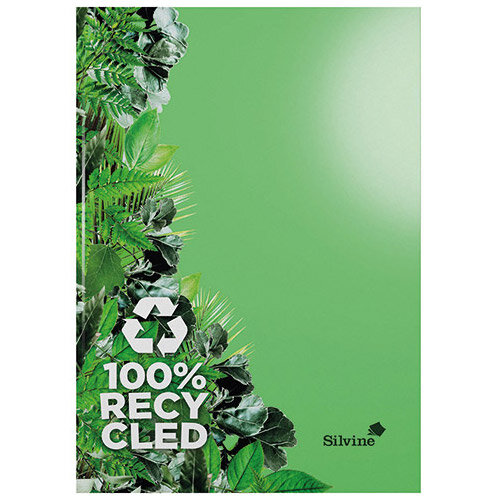
- It is extremely common to see options made from recycled paper in shops and these are worth considering to support the use of more sustainable options. I would also avoid notebooks that have additional parts such as metal ring binding or leather/ plastic covers that can’t be recycled. Stick with simple note pads with pull out pages and a back/ cover which is made from paper or card that can be recycled easily, such as this.
Have you any other recommendations or suggestions for making back to school more environmentally friendly? Please share in the comments!
